

Species guideThe Wild.pet species guide
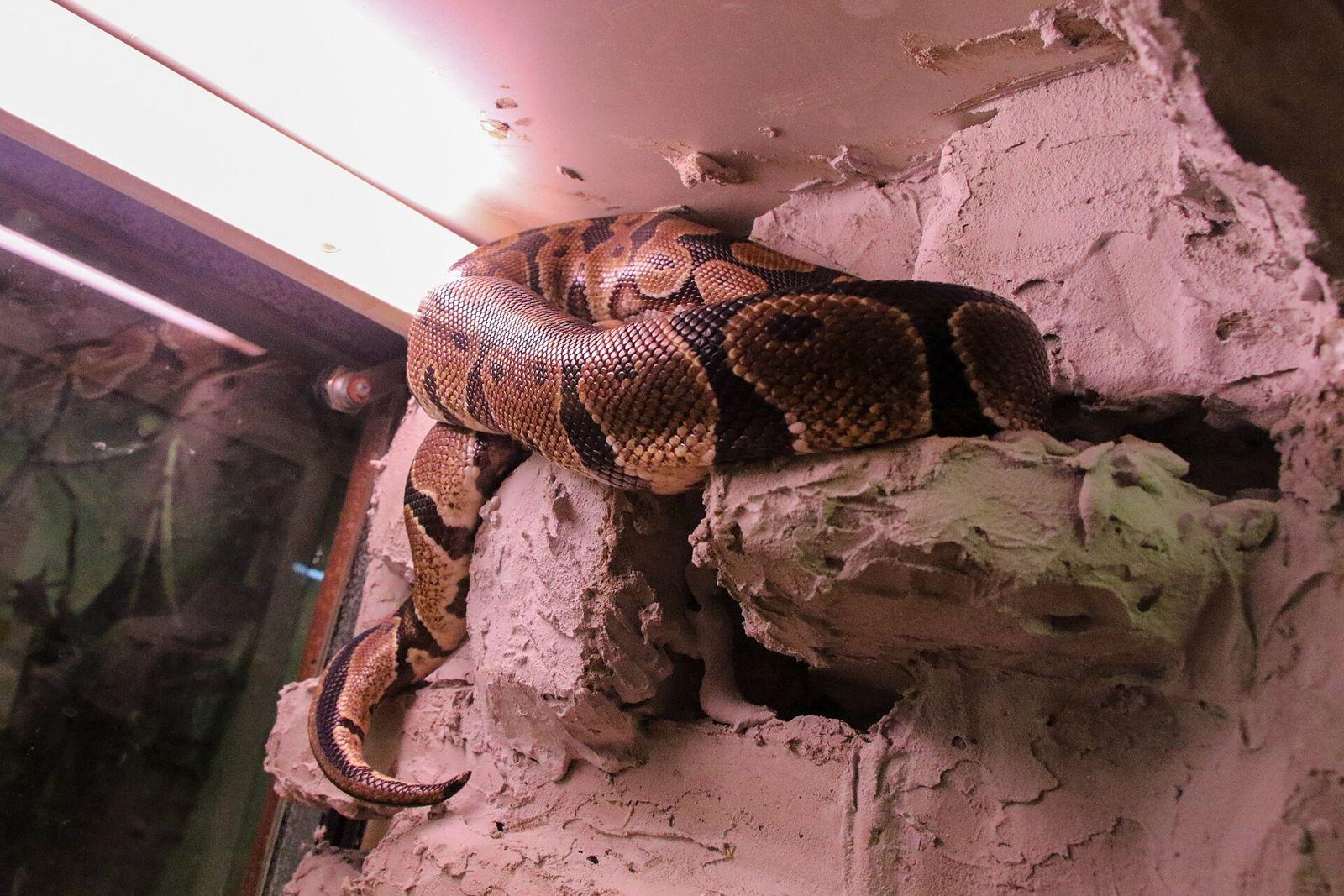 Habitat: Savanna / Grassland
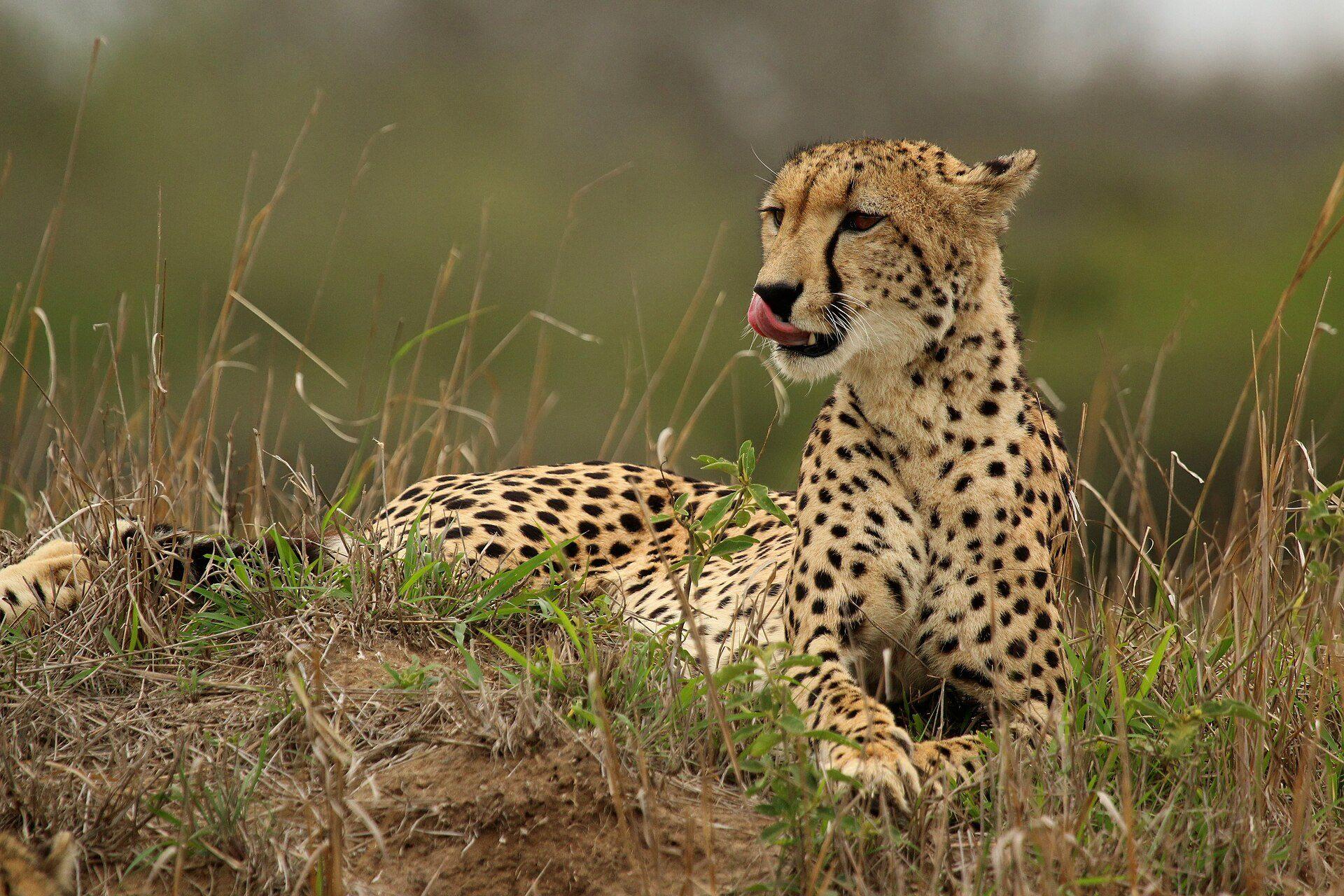
Photo: 44martin88, CC BY-SA 4.0, via Wikimedia Commons (resized)
Reptile
Ball python
IUCN Red List: Near threatenedPython regius
Calm. Shy. Curls into a ball.
A calm snake from West and Central Africa that curls into a tight ball when it's scared.
Care & welfare
Specialist care, not domestication.
Space & enrichment
Needs a secure enclosure with hiding places, because snakes are expert escape artists. Needs a warm side, a cooler side and the right humidity, controlled with thermostats.
Diet & veterinary care
Eats rodents, usually bought frozen and thawed. Needs a vet who treats reptiles.
A long-term responsibility
Ball pythons usually live 20 to 30 years in care, and a female at the Saint Louis Zoo lived past 60. Someone who buys one as a teenager may still be caring for it in middle age.
Know your state’s rules
Ball python · Private pet ownership · 2 states researched
City and county rules may be stricter. Contact your state wildlife agency before acquiring an animal. Never take wildlife from the wild.
Overview, not legal advice · Checked Nov 15, 2026
Pet suitability
Reasonable for a prepared keeperOverall difficulty: 2.1 out of 5 (higher is harder). How we rate
- Care difficulty2 out of 5
- Forgiving; beginner-friendly
- Daily time and attention1 out of 5
- A few minutes a day
- Space2 out of 5
- A tank or small enclosure
- Environment3 out of 5
- Moderate
- Diet2 out of 5
- Simple, easy to buy
- Vet care3 out of 5
- Moderate
- Danger1 out of 5
- Harmless to people and pets
- Lifespan commitment5 out of 5
- Decades; may outlive its owner
- Yearly cost2 out of 5
- Low
- Welfare in captivity2 out of 5
- Does well in a home
Compare with another animalBefore you get one
Where it belongs
Scientists sort living things into groups inside groups. Here’s the ball python’s place, from the biggest group to its own species.
- KingdomAnimalia · animals
- PhylumChordata · animals with a backbone or a rod like one
- ClassReptilia · reptiles
- OrderSquamata · lizards and snakes
- FamilyPythonidae · pythons
- GenusPython · pythons
- SpeciesPython regius · ball python
Some older sources put pythons inside the boa family, Boidae. Today they have a family of their own.
Checked Nov 15, 2026 against ITIS report: Python regius (TSN 634784) and The Reptile Database: Python regius.
Quick facts
- Type
- Reptile
- Size
- Adults usually 1–1.5 m long
- Lifespan
- 20–30 years in care; one lived past 60
Fun fact: Ball pythons are the most traded CITES-listed live animal exported from Africa.
Where it lives in the wild
- Africa (Central Africa, East Africa, West Africa)
Conservation
IUCN Red List: Near Threatened. This species is not currently threatened with extinction. International trade: CITES Appendix II: international trade needs permits.
Reassessed from Least Concern to Near Threatened in 2021. Huge numbers are taken from the wild for the pet trade, so only buy snakes bred in captivity.
Before you get one
Check each need honestly before you decide. Scores run from 1 to 5; higher is harder.
Space
2 out of 51 is a tank or small enclosure; 5 is acres of land.
Read about space and enrichmentDiet
2 out of 51 is simple, easy to buy; 5 is complex, specialised or hard to source.
Read about diet and veterinary careVet care
3 out of 51 is most vets can help; 5 is very few specialist vets exist.
Read about diet and veterinary careDaily time and attention
1 out of 51 is a few minutes a day; 5 is hours every day; constant social needs.
See the pet suitability scoresLifespan commitment
5 out of 51 is a few years; 5 is decades; may outlive its owner.
20–30 years in care; one lived past 60
See the quick factsIs it legal where you live?
Pick your state in “Is it legal where I live?” to see the rule that applies there.
Is it legal where I live?
This is general guidance, not legal advice. Laws change, and cities and counties can add their own rules. Before getting any animal, check with your state wildlife agency, and if you're under 18, talk to a grown-up first.
Pick a state to see what applies there. Your choice stays on this device.
We haven't found a US federal rule about keeping this animal.
State rules
Researched so far in 2 of the 50 states and DC. Everywhere else shows “not yet researched”: that never means legal.
- IllegalHawaii· Keeping one
Hawaii's list of prohibited animals includes every snake species. Nobody may bring a snake into Hawaii except two male nonvenomous snakes for a government zoo and sterile brown tree snakes for state research. Hawaii has no native snakes, and escaped pets could devastate its wildlife.
Haw. Admin. R. § 4-71-6 (list of prohibited animals: suborder Serpentes) · List of Prohibited Animals, § 4-71-6 (Hawaii Department of Agriculture) · also Haw. Admin. R. ch. 4-71P, List of Prohibited Animals (Justia Regulations) · checked 2026-11-15
- LegalMaine· Keeping one
Maine lists the ball python (captive-bred only) on its Unrestricted Species List, so no state permit is needed to keep one. Wild-caught ball pythons aren't covered.
12 M.R.S. § 12152; 09-137 C.M.R. ch. 7, § 06 · Unrestricted Species List, last updated October 2026 (Maine Department of Inland Fisheries and Wildlife) · also 09-137 C.M.R. ch. 7, § 06, Classification of Species (Cornell Legal Information Institute) · checked 2026-11-15
Protect the habitat. Respect the ball python.
Keep a respectful distance. Never feed wildlife. Support local habitat restoration.
Check ownership lawsAnimals that share its home

Sources
- CITES Animals Committee AC33 Inf. 16: Python regius (accessed 2026-11-15)
- Encyclopedia of Life: Ball python (accessed 2026-11-15)
- CITES AC28 Inf. 4: Impact of the pet trade on Python regius (accessed 2026-11-15)
- Riverview Park & Zoo: Ball python (accessed 2026-11-15)
- The Exploration Place: Ball python (accessed 2026-11-15)
- WSB-TV: 62-year-old python at St. Louis Zoo lays eggs (2020) (accessed 2026-11-15)
Pet suitability scores are Wild.pet's own judgments. See how we rate.